
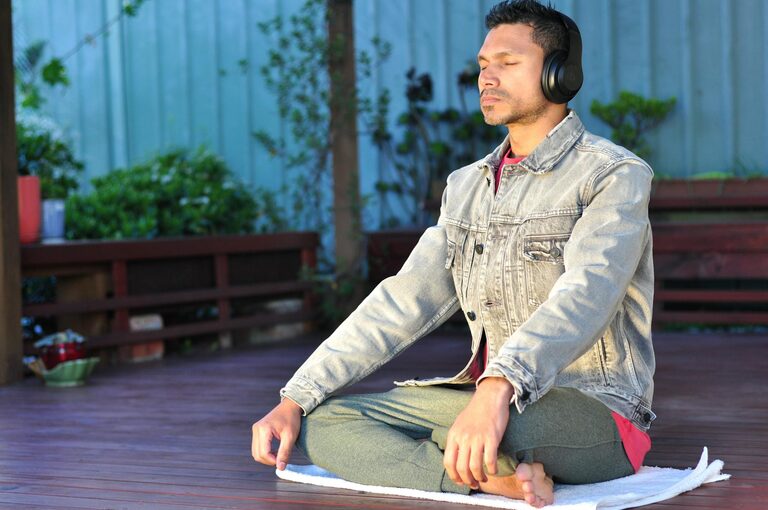
Mindfulness is a powerful yet simple way to bring calm and clarity into your daily routine. By paying full attention to the present moment, you can reduce stress, improve your mood, and increase focus. You don’t need special equipment or hours of practice to begin—it can be as easy as a few mindful moments throughout your day.
In this post, we’ll explore straightforward mindfulness practices that anyone can incorporate into daily life. Whether you’re new to mindfulness or looking to refresh your routine, these techniques can help you create a more peaceful, centered mindset.
What Is Mindfulness?
Mindfulness means being fully aware of where you are and what you’re doing, without being overly reactive or overwhelmed by what’s going on around you. It’s about observing your thoughts, feelings, and sensations with openness and curiosity, rather than judgment.
Practicing mindfulness can help:
– Lower stress and anxiety
– Improve concentration and mental clarity
– Enhance emotional regulation
– Promote better sleep
Mindfulness Practices You Can Try Today
1. Mindful Breathing
Breathing is a natural anchor that brings your attention back to the present moment.
How to practice:
– Find a comfortable seated position.
– Close your eyes if you like, or soften your gaze.
– Take a slow, deep breath in through your nose, feeling your lungs expand.
– Gently exhale through your mouth or nose.
– Focus your attention on the sensation of the breath entering and leaving your body.
– If your mind wanders, gently bring it back to your breathing.
– Continue for 1–5 minutes.
This simple exercise is perfect for anytime you need to reset or calm your mind.
2. Mindful Eating
Eating mindfully helps cultivate gratitude and enjoyment of your food, while preventing overeating.
How to practice:
– Sit down without distractions like phones or TV.
– Look at your food, noticing colors, shapes, and textures.
– Take small bites and chew slowly.
– Pay attention to the taste and sensation of the food in your mouth.
– Notice how your body feels as you eat—are you hungry, satisfied, or full?
By slowing down, you build a better connection with your body’s needs and gain more pleasure from your meals.
3. Body Scan Meditation
This practice increases awareness of physical sensations and helps relax tense areas.
How to practice:
– Lie down or sit comfortably.
– Close your eyes and take a few deep breaths.
– Starting at your feet, notice any sensations—warmth, tingling, tension.
– Slowly move your attention up through your legs, hips, abdomen, chest, arms, neck, and head.
– Don’t try to change anything, just observe.
– If you notice discomfort, try to breathe into that area and release tension.
– This can take anywhere from 5 to 20 minutes.
A body scan aids in grounding your awareness in the present and can relieve physical stress.
4. Mindful Walking
Transform a routine walk into a refreshing mindfulness exercise.
How to practice:
– Walk at a natural pace, preferably outside.
– Focus on the sensation of your feet touching the ground.
– Notice how your legs, arms, and body feel as you move.
– Pay attention to the sounds, smells, and sights around you without judgment.
– If your mind drifts, gently bring your focus back to your steps and surroundings.
Mindful walking is a great way to clear your head while staying active.
5. Pause and Notice
Incorporate short pauses into your day to reconnect with yourself.
How to practice:
– Set reminders on your phone or use natural break points (before a meeting, after a task).
– Stop what you’re doing and take three deep breaths.
– Check in with your body—are you tense or relaxed?
– Observe your thoughts and emotions without trying to change them.
– Return to your activities with renewed awareness.
These mini-breaks can reduce stress buildup and improve focus.
Tips for Building a Consistent Mindfulness Routine
– Start small: Even one minute of mindfulness is helpful — build gradually.
– Choose a regular time: Morning or evening are great anchors to your day.
– Use reminders: Set alarms or sticky notes to prompt mindfulness moments.
– Be patient: Mindfulness is a skill that grows with practice. Don’t worry about “doing it right.”
– Mix it up: Try different practices to see what suits you best.
Final Thoughts
Mindfulness doesn’t require a big time commitment or special skills, just a willingness to pause and tune into the present moment. By weaving simple mindfulness exercises into your day, you cultivate calmness, clarity, and well-being that carry through even the busiest times.
Start with one or two practices today and notice how they transform your experience of everyday life. Remember, mindfulness is a journey—not a destination—and every moment offers a new opportunity to practice.
—
Feel free to share your favorite mindfulness techniques or how these practices have helped you in the comments below!