
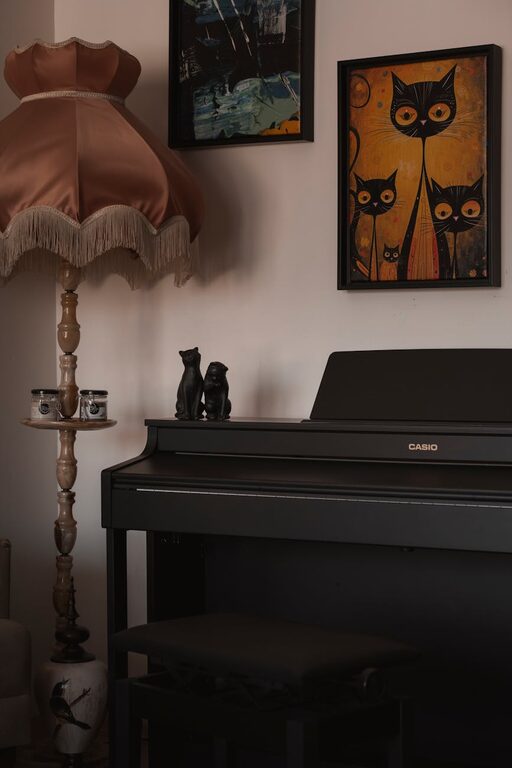
Creating a cozy and inviting atmosphere in your home goes beyond furniture and decor—it starts with the right lighting. Comfortable home lighting not only brightens your space but also influences your mood, productivity, and relaxation. If you’re renovating or simply looking to improve the lighting in your rooms, this guide offers helpful tips to choose the best home lighting that balances comfort, functionality, and style.
Why Comfortable Lighting Matters
Lighting impacts how we experience each room. Harsh lighting can cause eye strain and discomfort, while dim lighting might make it hard to focus or perform daily tasks. Comfortable lighting considers the intensity, color, and placement of light sources to create a balanced environment that suits your lifestyle.
Understand Different Types of Lighting
Before purchasing fixtures or bulbs, it’s useful to know the main types of lighting and their roles:
– Ambient Lighting: Provides overall illumination and sets the general mood of a room.
– Task Lighting: Focused lighting for activities like reading, cooking, or working.
– Accent Lighting: Highlights decorative elements or architectural features.
A well-lit home usually combines all three types to achieve comfortable and functional lighting.
Tips for Choosing Comfortable Home Lighting
1. Consider the Purpose of Each Room
Think about how you use each space and what type of lighting it needs.
– Living Room: A mix of soft ambient light with task lighting near reading areas is ideal.
– Kitchen: Bright, focused task lighting is necessary for safety and food preparation.
– Bedroom: Softer, warm lighting supports relaxation and promotes restful sleep.
– Home Office: Balanced lighting reduces eye strain during screen time.
2. Choose the Right Bulb Type and Color Temperature
The bulb you select greatly affects the lighting comfort.
– LED Bulbs: Energy-efficient and long-lasting with many brightness options.
– Color Temperature: Measured in Kelvins (K), this determines the warmth or coolness of the light.
– Warm light (2700K–3000K) creates a cozy atmosphere for living rooms and bedrooms.
– Neutral light (3500K–4100K) suits workspaces and kitchens.
– Cool light (5000K–6500K) is bright and crisp, similar to daylight, for task areas.
3. Opt for Adjustable Fixtures and Dimmer Switches
Installing dimmable lights allows you to change brightness based on time of day or activity. Adjustable lamps and fixtures provide more control over direction and intensity of light, improving comfort and flexibility.
4. Use Multiple Light Sources
Avoid relying on a single overhead light. Layer your lighting with lamps, sconces, and pendant lights to spread illumination evenly and reduce shadows.
5. Pay Attention to Light Placement
Position lighting to minimize glare and reflections. For example, place reading lamps beside seating areas rather than overhead, and avoid lights directly facing your eyes or screens.
6. Select Fixtures That Complement Your Décor
Lighting fixtures also serve as design elements. Choose fixtures that match your home’s style and scale to create a cohesive and inviting look.
7. Consider Natural Light and Window Treatments
Maximize natural daylight by keeping windows unobstructed. Use sheer curtains or blinds that allow sunlight in while reducing glare.
8. Mind the Wattage and Brightness Levels
Check the lumens rating of bulbs for brightness instead of wattage. Different rooms and activities require varied brightness levels; for example, kitchens and home offices benefit from higher lumens than bedrooms.
Simple Lighting Upgrades for Comfort
If you want to improve your home lighting without major changes, try these easy tips:
– Swap out old bulbs for warm LED alternatives.
– Add floor or table lamps in dark corners.
– Install motion sensor or smart lights for convenience.
– Use lampshades to diffuse harsh light.
– Incorporate candles or fairy lights for cozy ambiance.
Final Thoughts
Comfortable home lighting blends functionality, style, and wellbeing. Taking time to plan and select the right lighting for your rooms will transform your home into a more pleasant and welcoming place. Remember to consider your activities, lighting layers, and the quality of bulbs for the best results. With these tips, you’ll enjoy a well-lit space that supports your daily life and personal style with ease.
—
By focusing on these aspects, you can create a lighting setup that is comfortable, practical, and enjoyable every day!